location

location

abu dhabi, the capital of the united arab emirates, is one of the world’s most prosperous and rapidly developing cities. In little over half a century it has seen a dramatic transformation from a small bedouin settlement to a thriving business and tourism centre of global stature.

The UAE sits on the north-eastern part of the Arabian Peninsula, bordered by Saudi Arabia to the south and west and by Oman to the east and north. The country is made up of seven emirates of which Abu Dhabi is by far the largest, occupying over 85% of the landmass. There are two major cities within the emirate: Abu Dhabi, which is the capital of the UAE, and Al Ain, which lies at the foot of the Hajar Mountains on the border with Oman.

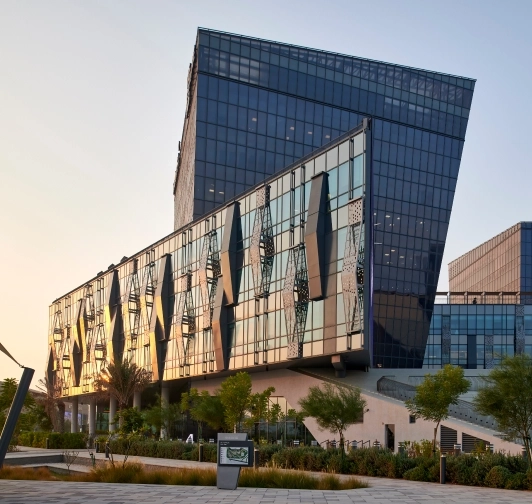
The island city of Abu Dhabi is a lush, modern metropolis, complete with tree-lined streets, futuristic skyscrapers, huge shopping malls and international luxury hotels. The city is surrounded by the sparkling azure waters of the Arabian Gulf which offer a striking contrast to the large parks and green boulevards that spread across the island. From its origins as a centre for pearl diving and fishing, Abu Dhabi has developed at breakneck speed to become a truly 21st century destination.

Built on a grid system running from a central ‘T’, the city is easy to navigate. The ‘T’ is formed by the corniche, which runs along the end of the island furthest from the mainland, and Airport Road which runs the length of the island. Roads parallel to the corniche have odd numbers (the corniche is 1st Street) and roads running vertically have even numbers (Airport Road is 2nd Street, with 4th Street, 6th Street, etc. leading off to the east, and 24th Street, 26th Street, etc. to the west).

With much of the interior of the emirate comprising desert, including part of the spectacular Rub Al Khali (Empty Quarter), or sabkha (salt flats), many visitors are surprised by how green the cities are. The combination of high temperatures and inhospitable terrain limits the variety of natural fauna and flora but the Abu Dhabi authorities are working hard to ‘green’ the urban landscape. Everywhere you look you’ll see manicured lawns, pretty flowers and an abundance of palm trees which are maintained by an army of workers.

The cities are known for their beautiful public parks, but even the meridian strips on the miles and miles of highways are oases of greenery. Despite the harsh environment, indigenous nature and wildlife are still worth exploring, with around 1,000 plant species recorded in the country as well as extensive fauna; from the highly endangered Arabian leopards in the Hajar Mountains to gerbils and geckos. The animals you are most likely to see though, are camels and goats (often roaming dangerously close to the roadside).